I’ve spent most of my life in rooms I didn’t quite fit. The systems administrator in a sideways hat. The attorney with a sleeve. At some point I stopped trying to fit. This is the story in the order it happened.
Casper taught me nobody would do it for me. Boulder taught me what a town says about itself. Charleston taught me what it does.
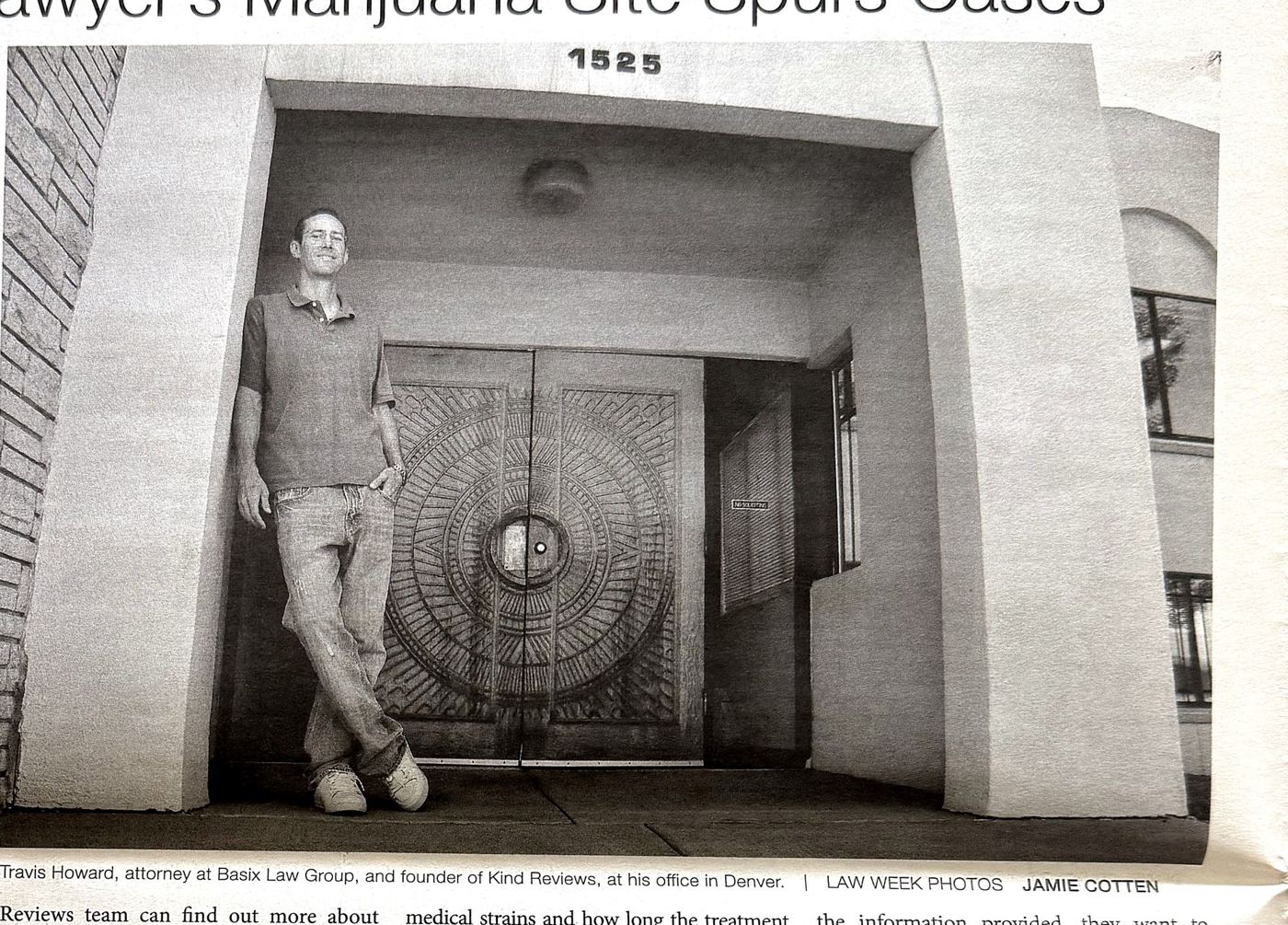
Denver, 2010. Photograph by Jamie Cotten for Law Week Colorado.
Roots
North Carolina and Minneapolis
My father grew up in rural North Carolina, poor as they come. His father was a pastor, and the family lived on what the church could collect and what his mother earned sewing in their house.
My mother grew up in Minneapolis. When she was twelve, her father walked out on a wife who didn’t work and six kids. She was the oldest, so she helped raise the rest. What she took from it wasn’t bitterness. She taught me to love everyone.
I got both of them.
Casper
Wyoming, 1986 to 1996
I moved to Casper in third grade. It was a town of fifty thousand, an hour from anything, with sagebrush in between. There were no real suburbs. The doctor’s kid lived close to the rancher’s kid. The kid whose dad pumped gas played on the same football team as the mayor’s kid, and I hung out with all of them.
When we got there, the oil bust was already underway. Casper had boomed, and then it fell. The people who stayed, stayed on principle and grit. The winter wind was brutal, and everybody stuck it out together.
Nobody was blocked. If you wanted to ranch, or start a construction company, you could. Plant a fence post, mark off your ground, and work it. Ain’t nobody gonna do it for you. But ain’t nobody gonna tell you you can’t. That’s still in my core.
Below deck
The Bahamas, New Zealand, the reef
When I was thirteen, my dad took me on a cruise in the Bahamas. I don’t remember the pool. I remember Charlie, who cleaned the rooms. I spent the week levels below the guests with the crew, fishing off the side of the ship, playing cards, and listening to their stories.
Two years later we went to New Zealand. We joined a Māori gathering on the beach, a pig roasting, songs and dance in full traditional dress. Afterward everyone changed into ordinary clothes, and I asked about it. They all had regular city jobs. They kept the traditions so their kids could carry them on. They had found their way back to themselves, and they had the heart to share it.
I’ve been going downstairs to find the real story ever since.
Boston, 1998
And the Front Range years
The summer of 1998 I lived in Boston on peanut butter and mayonnaise sandwiches, because they had calories I could afford. I was set to transfer to Boston College. They offered grants and loans, then took away the grants. I knew I couldn’t carry that debt, no matter the name on the diploma, so I packed up and went home.
My dad had agreed to pay half of four years at CSU, and the clock started the day I finished high school. The other half came from a settlement after a dog bit my face in fourth grade. I’d taken a semester off for Boston, so I took 21 credit hours two semesters in a row and graduated on time.
After that came three years as a systems administrator at Sun Microsystems, then law school at CU. By 2006 I was an attorney with a sleeve of tattoos, helping launch auto-dealer software and co-running a small speech-therapy company. In 2007 I opened my own practice for startups and small businesses.
Boulder
Tech money, mountains, and a regulated industry
Boulder was the dream for Beth and me. It was tech money and mountains, and living there meant we’d made it.
In late 2007 my brother started a blog for his sister-in-law, Linda, who had ovarian cancer. Her doctors wouldn’t talk about medical cannabis, and we didn’t know what was good for what. The blog became a company, and I became its general counsel. Then clients started asking me to help with medical cannabis businesses, and very few business attorneys would. Linda beat the cancer.
Over the next decade I co-founded a clinic built for high-need patients, sat as a parent on the panel writing the city’s rules, consulted in fifteen states and Canada, and ran Shift as CEO. At Dalwhinnie Farms we built a research facility with a tissue-culture lab.
Boulder is also where I imploded businesses. We sold Green Dream long before it reached its potential. We built a refinery, parted ways with it, bought it back, and sold it again. Every one of those traces back to the same mistake: I built teams before the rest of the business was ready for them. I wrote a book about that mistake.
In 2018 my dad died. Afterward I promoted Edwin, someone on my team, to CEO of Shift, and went back to the customer and the product.
Boulder is where I learned that words are not actions. The town espoused beautiful ideals. I sat on our HOA board, and hardly anyone showed up.
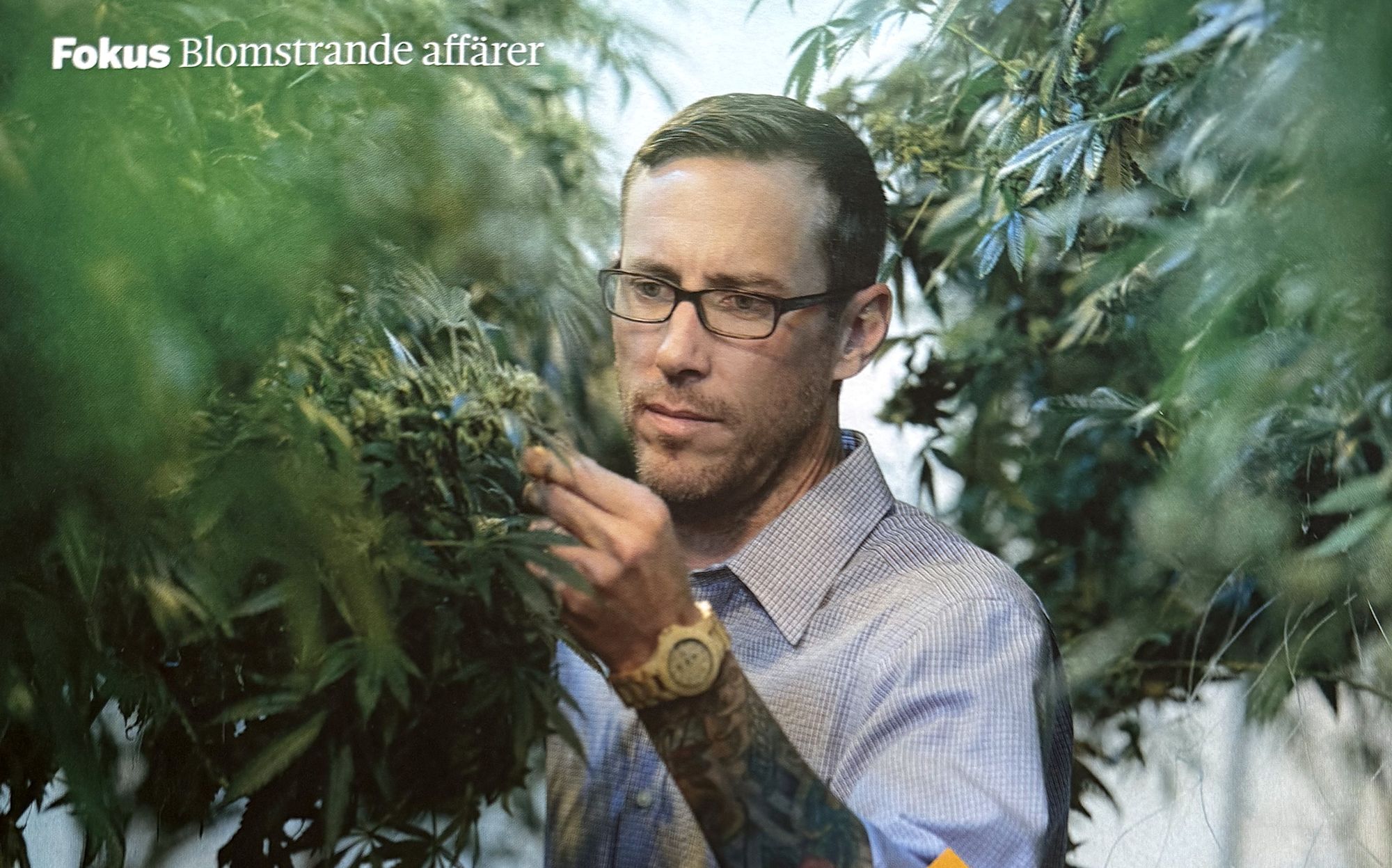
In the Green Dream grow outside Boulder, 2016. Photograph by Matthew Staver for Fokus.
Charleston
And the firm
Charleston’s history is obvious, and not all of it is history. It’s also the most community I’ve ever felt. The club in our neighborhood never runs short of volunteers. Hundreds of people turn out for the kids’ regatta. When a neighbor with dementia went missing, people went out searching. After storms, they cut the fallen trees out of each other’s yards.
Boulder taught me what a culture says about itself. Charleston taught me what a culture does.
In 2016 I invested in the plaintiff firm my brother, Kevin Cheney, built with his partner Tim, and merged my practice into it. Kevin is the CEO and Managing Partner. I’m a partner and the COO. It’s where I test everything I teach.
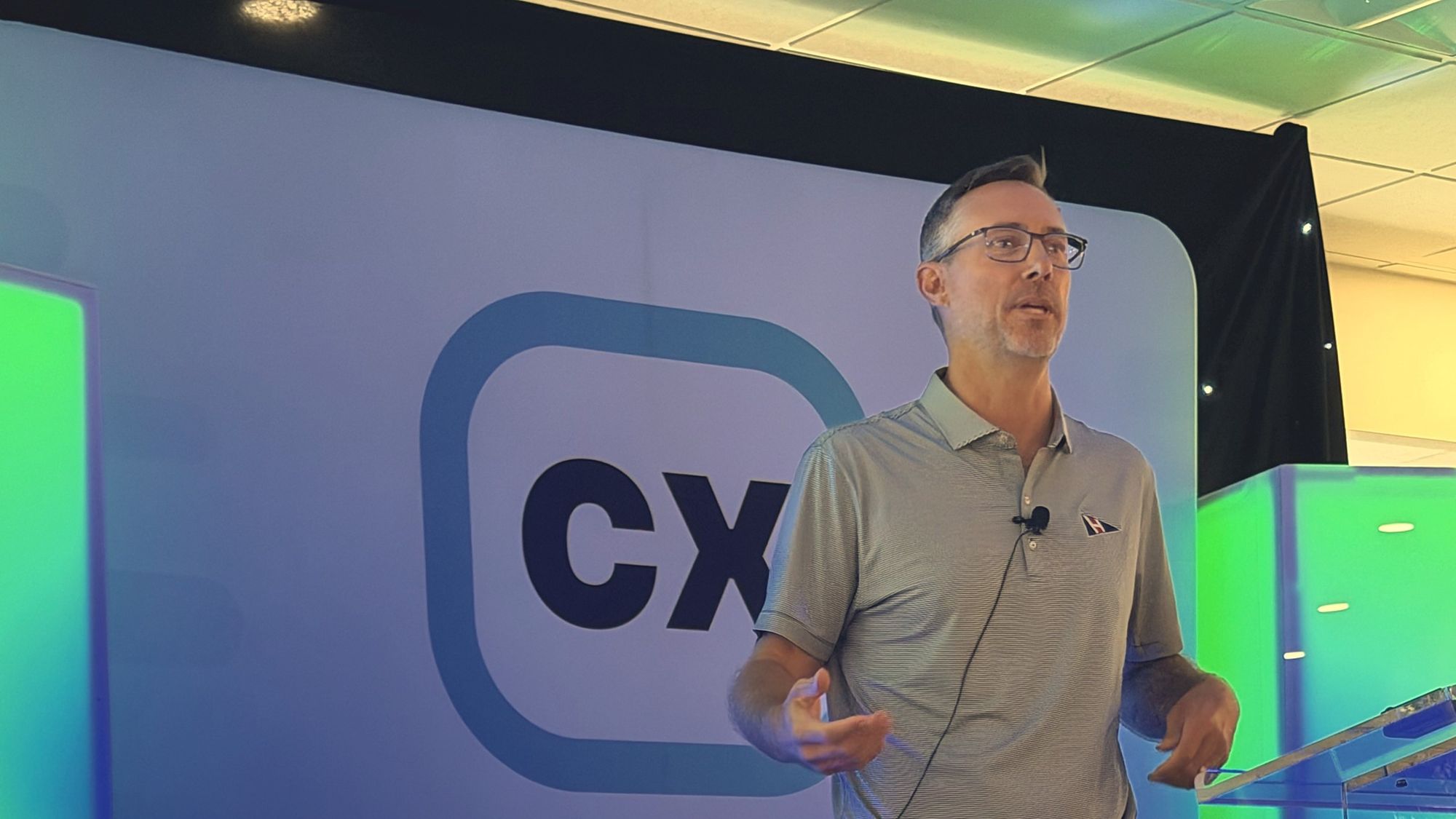
CX Summit 2026, Charleston.
Rhode Island
Every summer
Every summer we’re on the Rhode Island coast, in an old fishing village where Beth’s parents have a place. When it rains, we drive to Watch Hill.
I didn’t grow up with a marriage like theirs to learn from, so I modeled mine on it.
We have one rule that doesn’t bend. We travel, even if it means quitting a job. Every summer, we will be there.
Things fall apart. I’ve watched companies, a town, and my own plans come apart. They come back together when you’re honest with yourself about why they broke. That’s the only faith I preach.
The companies
Founded, co-founded, or built from the inside. Some sold, some folded, one I still run.
2005 to 2010
Dealerslink. Software for auto dealers. Helped launch it, then came back to coach dealers through the 2008 crash.
2006 to 2007
TalkTools. Speech-therapy tools and education, sold in fourteen countries. Co-CEO.
2007 to 2015
The Basix Group. An entrepreneurial law practice, later merged into CGH.
2008 to 2015
Kind Reviews. Medical cannabis reviews. Folded into PotGuide, later acquired.
2010 to 2019
Green Dream. A Boulder clinic built for high-need patients. Sold.
2010 to 2025
CannaCounsel. Consulting and equity management across fifteen jurisdictions, with CannaStaff and CannaLicense.
2015 to 2020
Shift Cannabis Co.. A brand, a New Mexico operation, and a refinery. Sold.
2016 to 2020
Dalwhinnie Farms. A research facility and luxury brand in the San Juans.
2016 to now
CGH Injury Lawyers. A plaintiff firm. Co-founder, partner, and COO.
2021 to 2025
Dr. Greenthumb (DGT). Co-founded. Two years as chief revenue officer.
2023 to 2024
ProfitOps. Cannabis consulting, co-founded and sold to my partners.
2023 to now
TheMBP. The Mindful Business Paradigm, and the practice that installs it.
In print
People were writing about this work a decade before the book.